

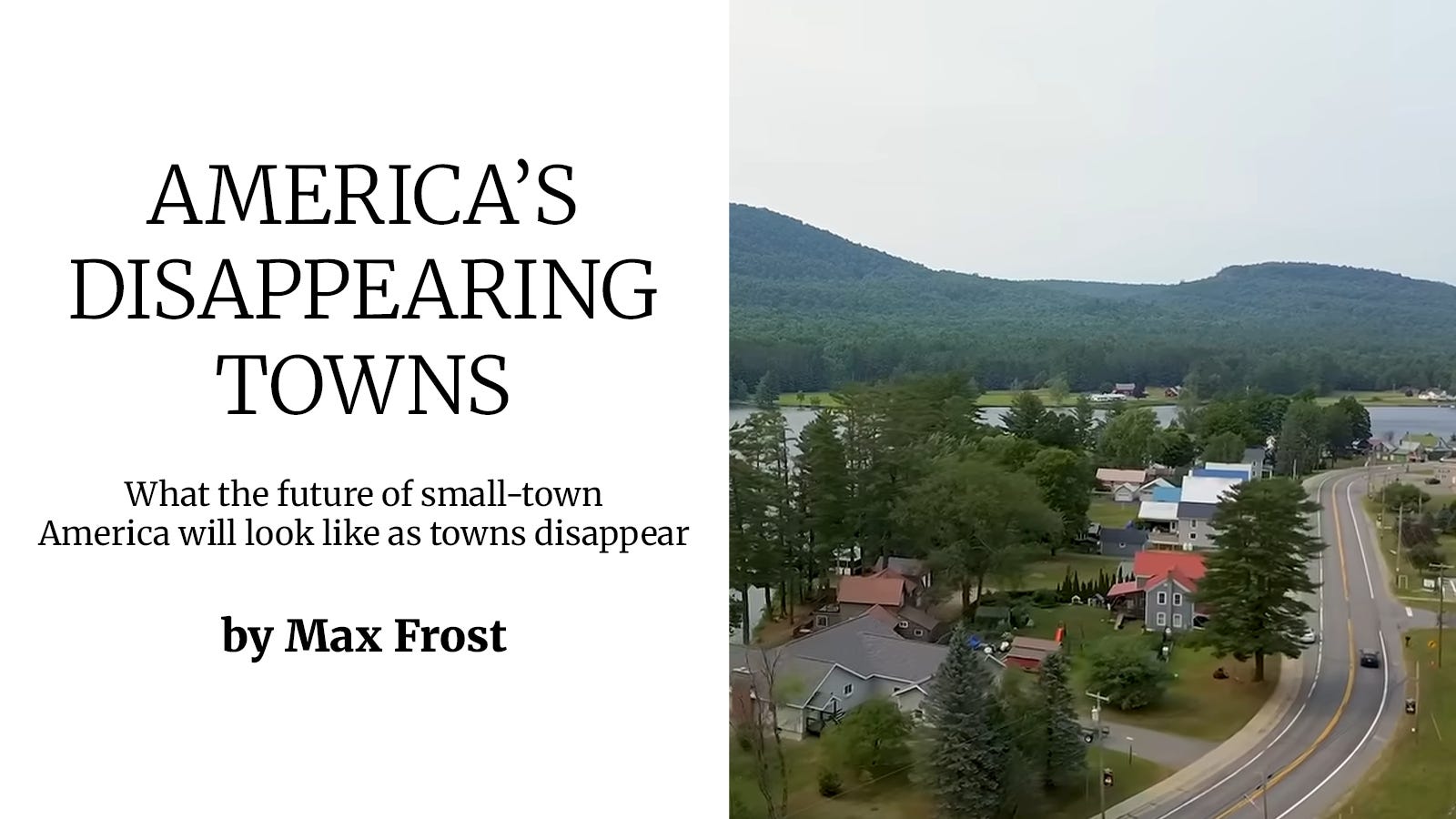
Wells, New York
The first thing you notice in this small town in the southern Adirondacks is how beautiful it is. The only noises are the birds and the gently lapping waters of the lake. Mountains surround you; forest stretches into the horizon.
The next thing you notice is that nothing is new. On the town’s main drag are a hotel, a cemetery, and a lake with a beach. Except the hotel is abandoned, the lake has no one swimming, and the cemetery, well, speaks for itself.
“It’s a retirement community,” a lifelong resident who appeared to be in his 70s told me.
His friend, a decade or two younger, agreed: “It’s basically all retired.”
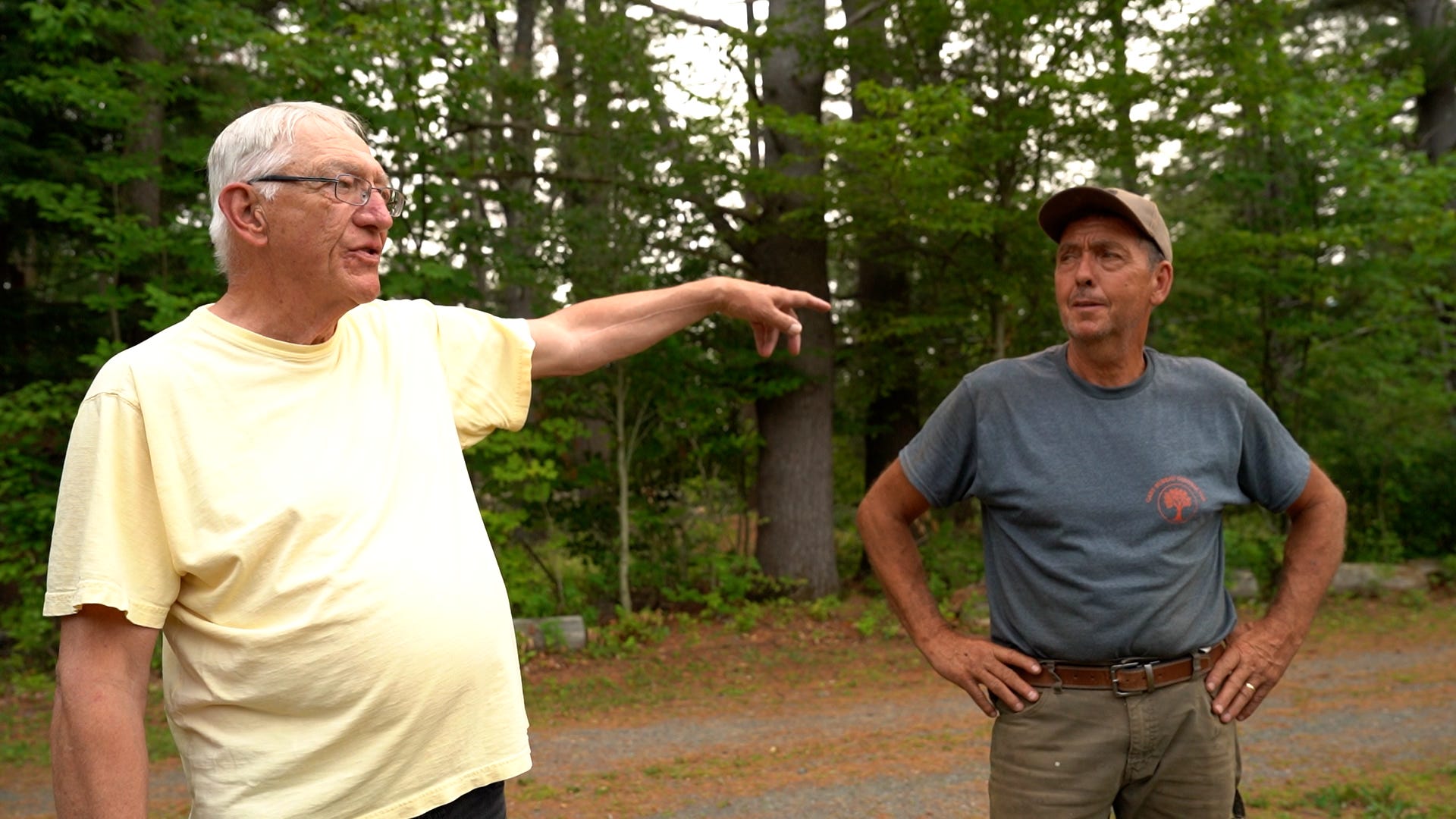
They could recall when Wells was jumping: Locals commuted by the busload to GE, tourists flocked for the mountain air, and the schools and community offered all the sports and amenities that a kid could want. Today, the beach is closed because they can’t find someone to work the lifeguard booth, money-spending tourists have been replaced by discrete second home owners, and there aren’t enough customers to sustain an all-year restaurant.
Hamilton County, which contains Wells, has the distinction of being the oldest county in New York state, with an average age of 58.1. Yet its story is repeated in small towns across America, where the phrase “It’s basically a retirement community” has become the most common refrain I hear on reporting trips. From small towns in South Carolina to rural Mississippi, northern New Mexico, and Southern California, the young have fled and the old have stayed.
Is small town America doomed?