

🌊 Inside Israel’s New “Buffer Zone”
Roca reports from a soon-to-be destroyed village in Lebanon


Kfarchouba, Lebanon
I’ve never bit into so sweet an orange.
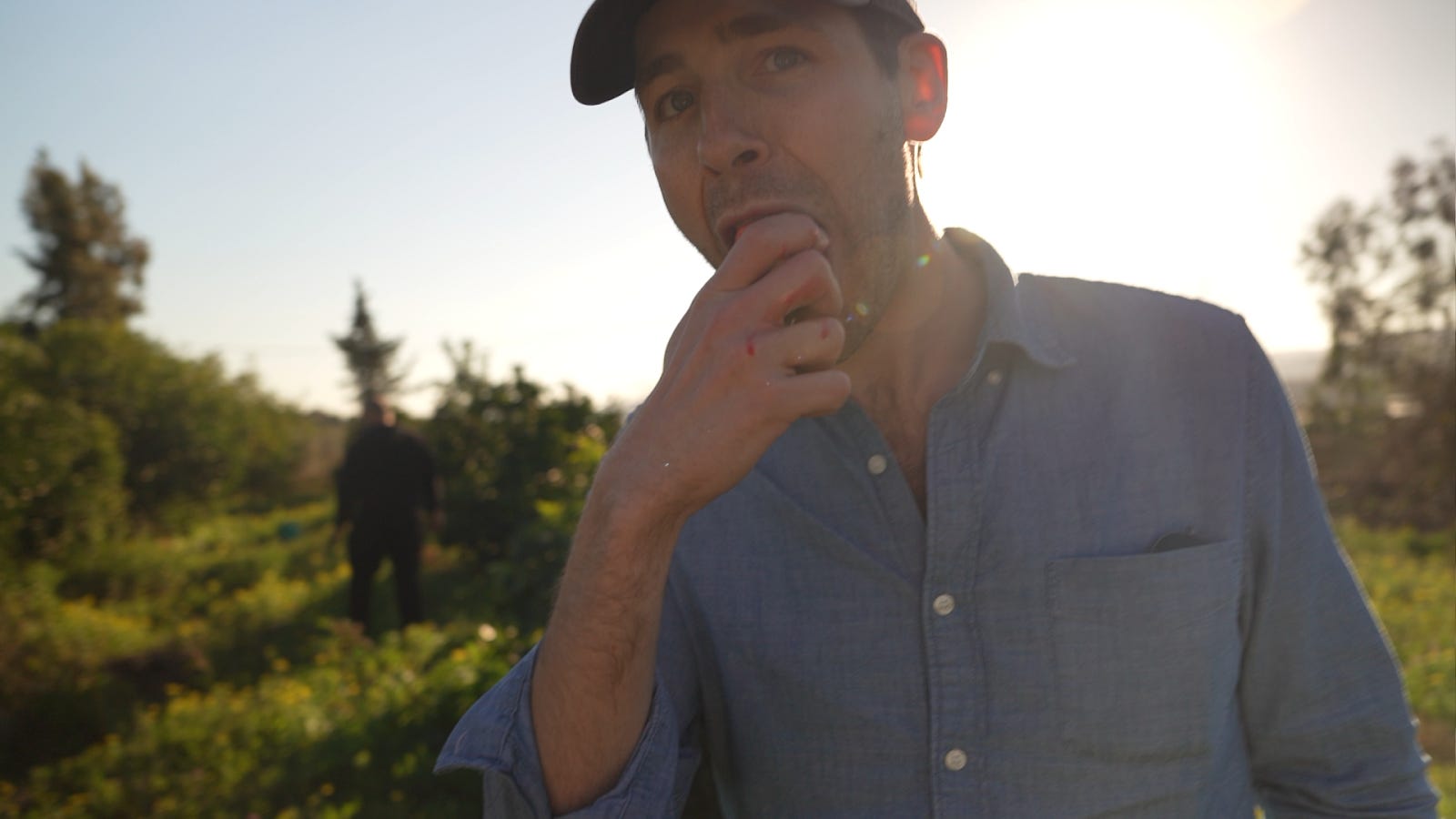
A man had plucked it off the tree in his orchard moments before and handed it to me, and it exploded as I bit into it. As I slurped it down, he gestured at me to follow him and led me to the next patch of trees. He plucked off another fruit and handed it to me – a blood orange, almost as sweet and juicy as the last.
This went on for five minutes. My host did not know English, nor I Arabic, but he spoke through plucking, handing, and smiling, and I through peeling, eating, and grinning.
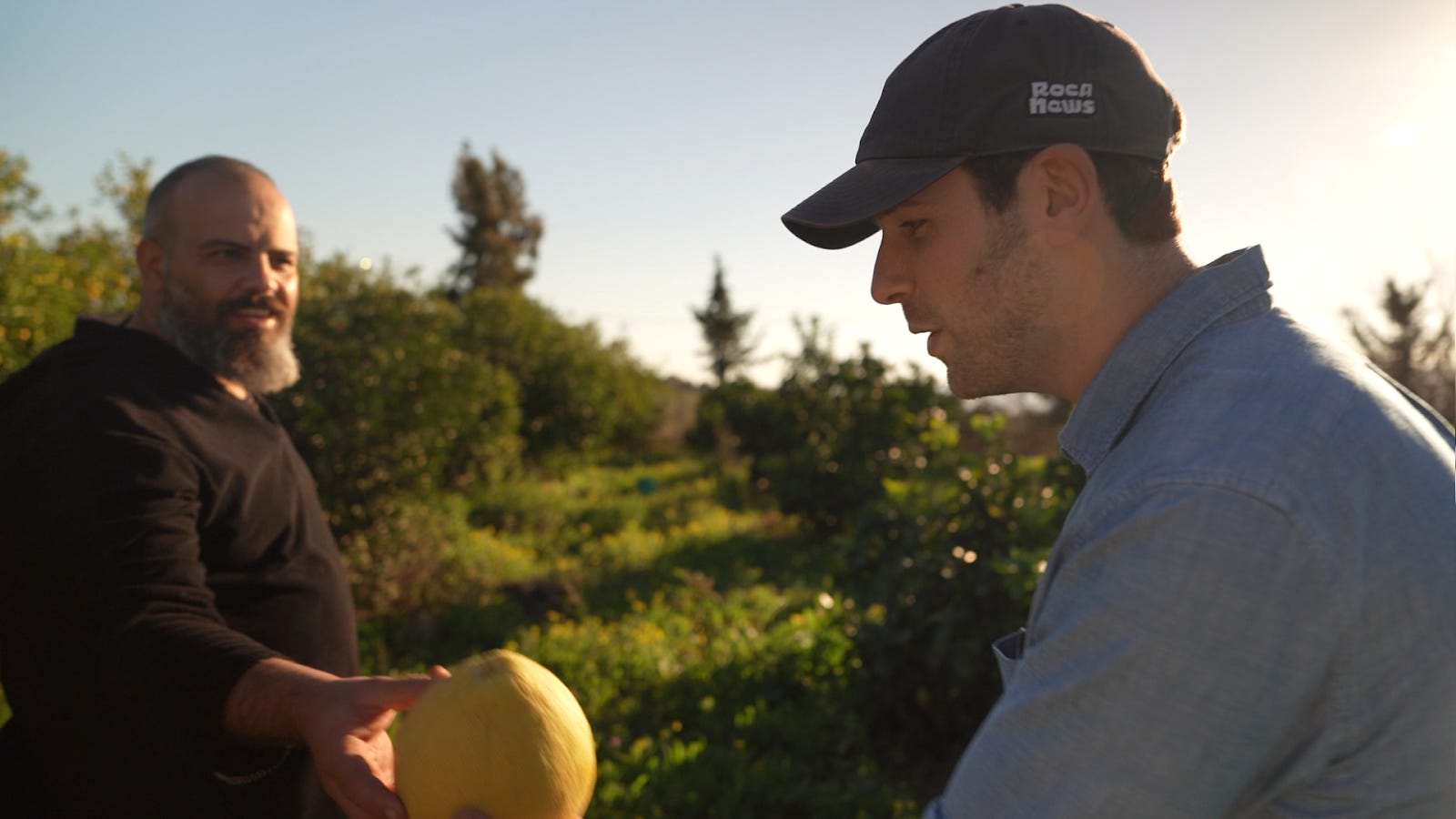
We were probably 100 yards from Israel – the last community in Lebanon. The landscape was gorgeous; the weather, ideal. Hezbollah was over the mountain, and an airstrike could always hit, but, for now, it was serene.
And on Tuesday, Israel announced it would destroy this village.

Hezbollah is a Shia group; my hosts had nothing to do with it. In fact, they may even have supported Israel: They were Druze – an ethnic-religious group in this region’s mountains that is known for longstanding ties to Israel. They and the area’s Jews, minorities among Muslims, have found common ground for nearly a century.
In southern Lebanon, though, the Druze have no friends. While they grow their fruit and raise their chickens, Hezbollah builds tunnels beneath the land and launches rockets from the hills. Israel, meanwhile, strikes from above.
Still, in the nearby town of Hasbaya, my hosts were confident that things would be okay.
“Here in Hasbaya, we don’t have Hezbollah,” a young Druze man named Osama told me. “All villages of Hasbaya [district].”
“[Lebanon] is separated,” his friend Sara added. “Every section of the country has its own sectarian pieces.”
Osama and Sara were trying to reassure me that this area, despite being close to the border with Israel, was safe. Israel would not bomb because it was not Shia.
During the Israel-Hezbollah war of October 2024, there was only one Israeli airstrike within Hasbaya – it hit a guesthouse housing Hezbollah-aligned media, killing three journalists. Israel said it struck a “Hezbollah military structure” where “terrorists were located inside.” When The Guardian and Human Rights Watch found that only reporters were killed, the IDF announced that the incident was “under review.”
Osama and Sara loved this area – their home – and it was easy to see why. The air was crisp and clean, the people were warm, the streets were quiet. They operated what was essentially a rural WeWork, where people in this poor part of Lebanon could access stable internet and electricity.
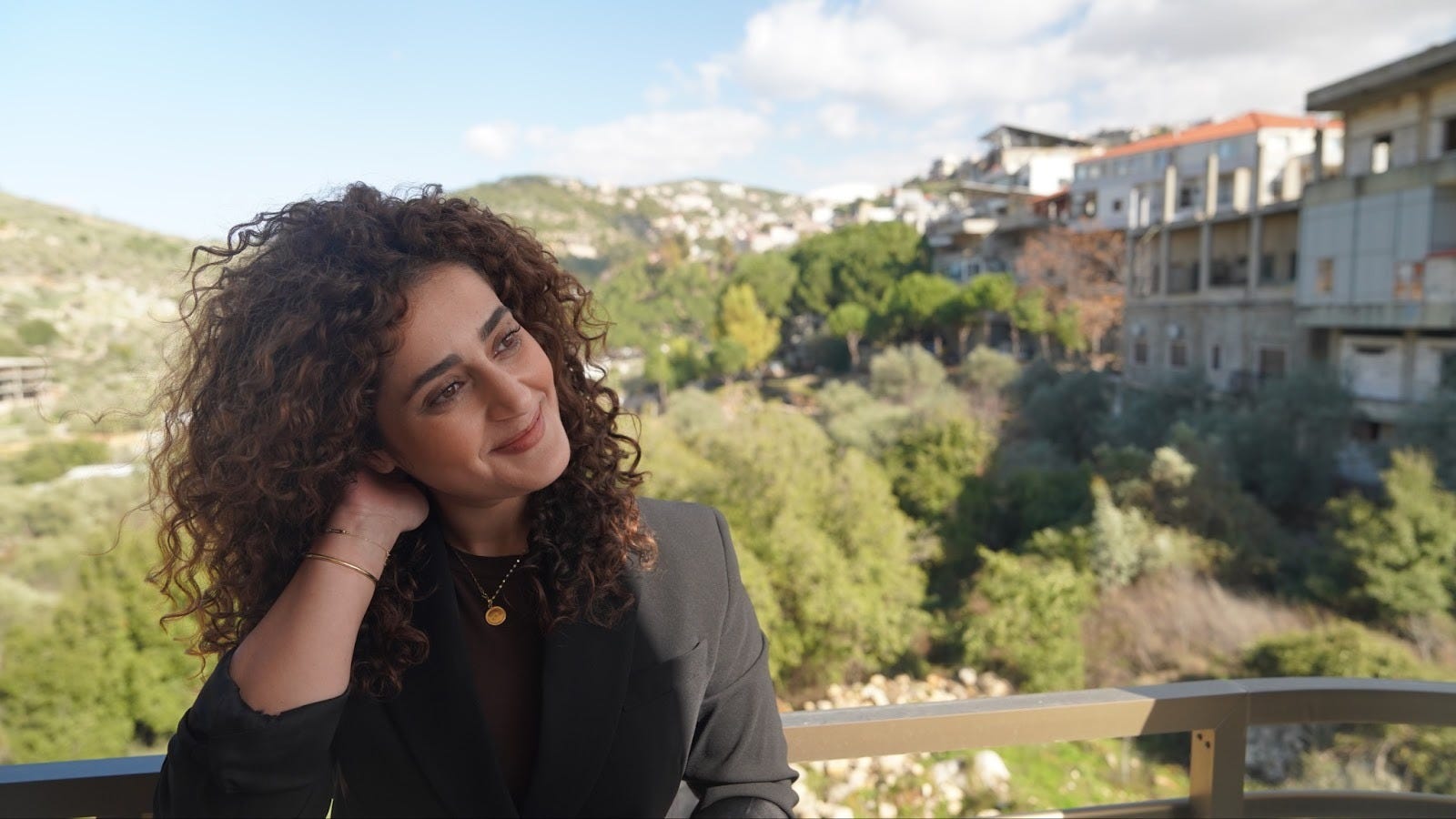
We spoke on their office balcony, breathing in the brisk, high-altitude air. It was quiet apart from the chirping of birds. A tree-lined valley stretched out in front of us, leading to the mountains. Across the street, a bakery prepared fresh bread.