

🌊 The DOGE Countdown
A week after signing the Big Beautiful Bill, Trump turns his attention to making cuts permanent
By Max Frost
If nothing changes, $9B will be released at midnight on Friday to fund humanitarian aid, NPR, and PBS, among other items. President Trump is leading the Republicans in a race against the clock to ensure that doesn’t happen.
Will he succeed?

DOGE claims to have cut $190B; however, both sides’ analysts say the effective number is likely far lower. Many cuts are not permanent, given that Congress allocated the funding and the money will therefore be released. To make the cuts stick, Congress needs to rescind the money before that happens. Such rescission bills are rare: Congress hasn’t passed one at a president’s request since Bill Clinton in 1996.
After midnight on Friday, $9B will be released for both humanitarian aid ($7.9B) and public broadcasting ($1.1B). A bill to stop that passed the House last month, 214-212. The Senate is now debating it, with Trump issuing threats from the sidelines.
As with the Big Beautiful Bill, this one has divided the Republicans.
On the one hand are pro-cut conservatives, who say they need to curb spending to combat “waste, fraud, and abuse.” Last week, Sen. John Kennedy (R-LA) called it a “gut-check” for Republicans: “Every single day, I’ve heard my Republican colleagues talking about the need to reduce spending…They either believe in reducing spending or they don’t.” Conservative Republicans have said passing the bill is a must to show the party remains serious about the deficit after enacting a budget that’s projected to add trillions in federal debt.
On the other side are moderates and Democrats, who say the funding is going toward vital services that the government should provide. Most controversial are cuts to the Corporation for Public Broadcasting (CPB) and PEPFAR.
CPB funds PBS, NPR, and around 1,000 local radio stations across the country. It provides around 15% of PBS’ budget, 1% of NPRs, and less but crucial funding to small, rural stations that in turn pay for NPR’s content. Cuts could shutter some of those stations, have a knock-on effect on NPR, and reduce PBS’ operations. Trump ordered funding cuts over allegations of waste and liberal bias. The bill would make those permanent and terminate federal funding for CPB, preventing it from issuing grants to local stations after September.
Several Republicans have threatened to vote against the bill because of that provision, including Lisa Murkowski (AK), Dan Sullivan (AK), Susan Collins (ME), and Mike Rounds (SD) – all of whom have voiced opposition because of the bill’s impact on rural radio in their states.
Trump, meanwhile, is trying to get them in line: “Any Republican that votes to allow this monstrosity to continue broadcasting will not have my support or Endorsement,” Trump wrote last week of NPR and PBS.
The other hot-button topic is PEPFAR.
Until yesterday afternoon, the bill was set to rescind $8.3B in funding for foreign aid. Some of those cuts were not controversial among Republicans, including cuts to funding for democracy promotion, the UN, and development projects, among them funding for electric buses in Rwanda and wind farms in Ukraine. Conservative policymakers have labeled these projects ineffective, wasteful, and vehicles to advance liberal values.
Yet one topic proved more controversial – PEPFAR, or the President’s Emergency Plan for AIDS Relief.
Established by President George W. Bush in 2003, PEPFAR has provided $120B in collective funding for HIV/AIDS treatment, prevention, and research, making it the largest commitment by any nation to fight a single disease in history. It funds a variety of prevention and treatment efforts, particularly in sub-Saharan Africa. The State Department attributes PEPFAR with saving 25M+ lives.
Until yesterday, the rescission bill sliced $400M, or 8%, from PEPFAR’s FY2025 budget. Several Republicans opposed this, though, including Sen. Collins (ME), who touted the program as “saving 26M lives and preventing millions of infants from being born with HIV.”
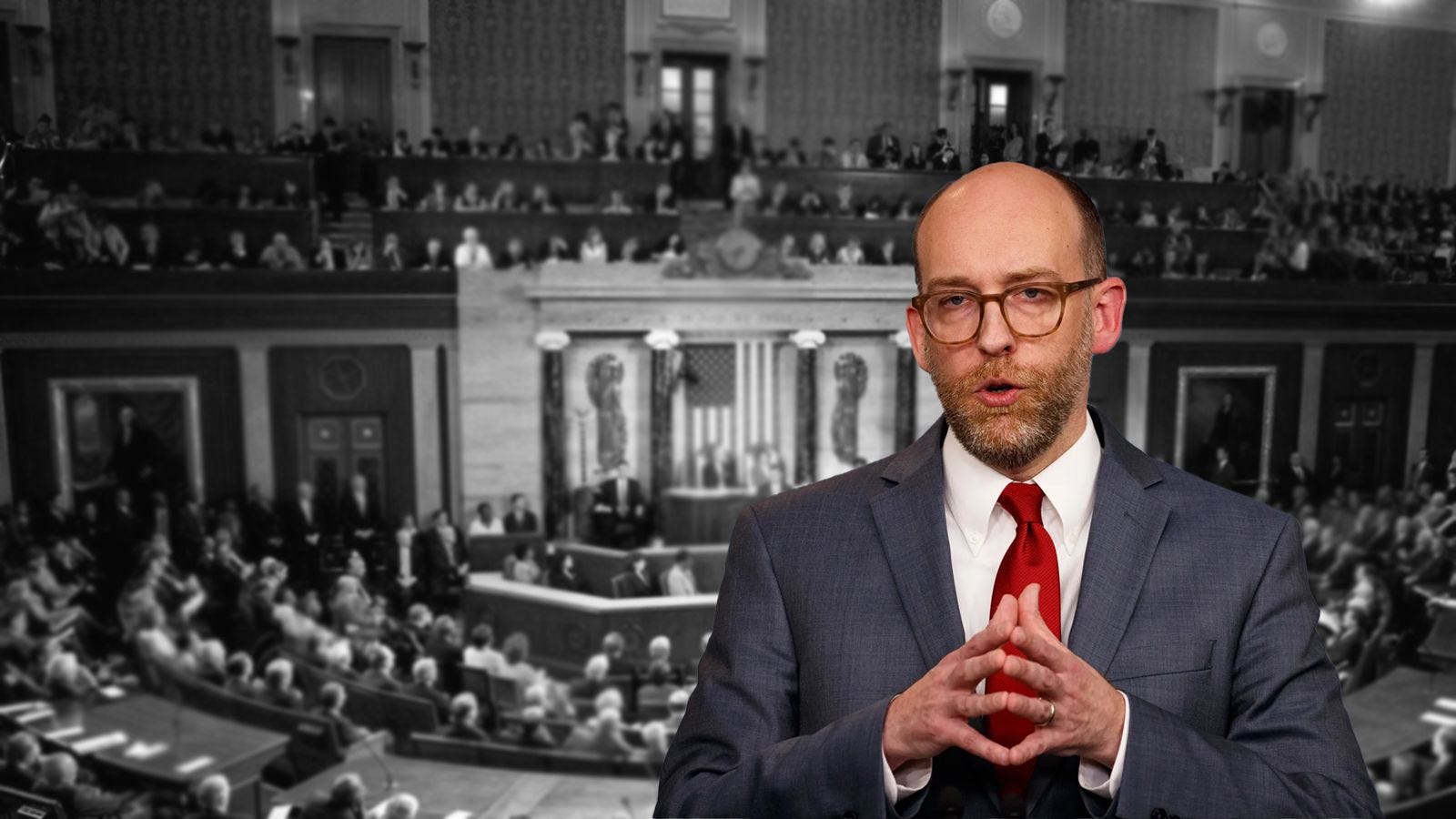
On Tuesday, White House Budget Director Russell Vought had lunch with Republican senators. Shortly after, PEPFAR cuts were removed from the bill, and Vought said he had secured the votes to pass the remaining $9B in cuts.
“This is still a great package,” he said. “$9 billion, substantially the same package. The Senate has to work its will, and we’ve appreciated the work along the way to get to a place where they think they’ve got the votes.”
Yet around the same time, Collins said “there are other problematic parts of the rescission package” and that “it’s unclear to me how you get to $9B,” given the programs Vought has said he would “protect.”
All of this is to say: The politicking is coming down to the minute in DC as Republicans race against the clock. Will they pass the bill by the Friday deadline? Can they corral their members to make DOGE law? Are CPB’s days numbered? We’ll know this week.