



From the 1950s until 1975, Lebanon was a land of optimism. Poor, young, and religiously divided, yes, but also beautiful, growing, and sophisticated. Beirut was a financial and cultural capital of the Middle East; American and European celebrities and businesspeople chose to vacation on Lebanon’s coastline. Visitors could famously ski in the morning and be on a Mediterranean beach by afternoon.
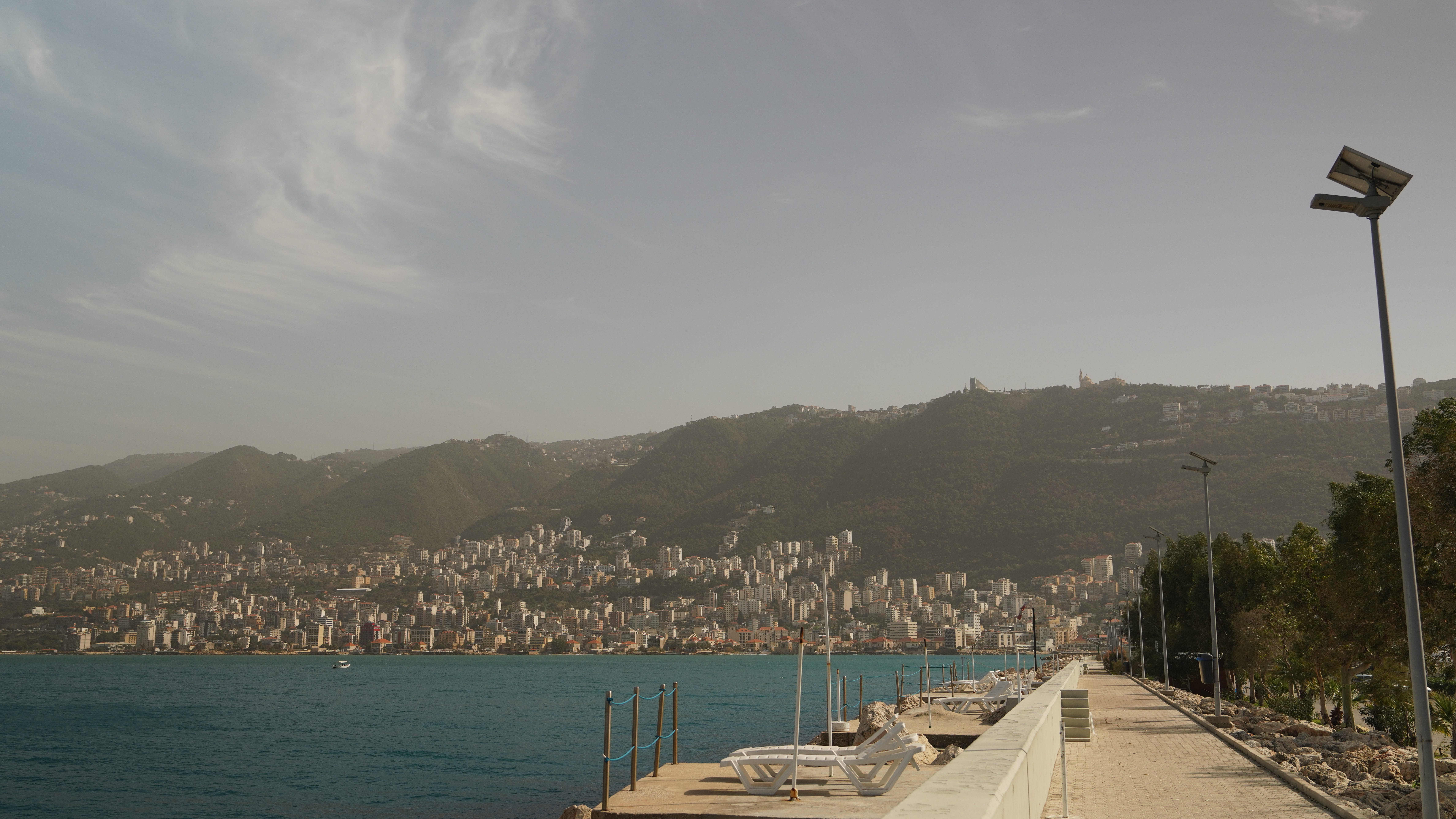
Driving up the Christian coast toward the border with Syria, we saw this optimism – and the tragedy that came next – in physical form.
As we approached Tripoli, Lebanon’s second-largest city, churches and Jesus statues gave way to mosques and flags – white with black text – proclaiming, “There is no God but Allah and Muhammad is his messenger.” As we exited the highway, we passed a poster of Ahmed al-Sharaa, the Al-Qaeda leader-turned-ruler of Syria.
If before we were in Hezbollahland, and we were coming from Jesusland, we were now in Sunniland.
Keep reading with a 7-day free trial
Subscribe to RocaNews to keep reading this post and get 7 days of free access to the full post archives.